

Skip to content Skip to footer

PTSD in Veterans: When the War Follows You Home

You’ve been home for almost three years. And yet somehow, you’re still not quite here.

Your family thinks things are finally normal. You’re working. You smile at gatherings. You don’t talk about what happened overseas.

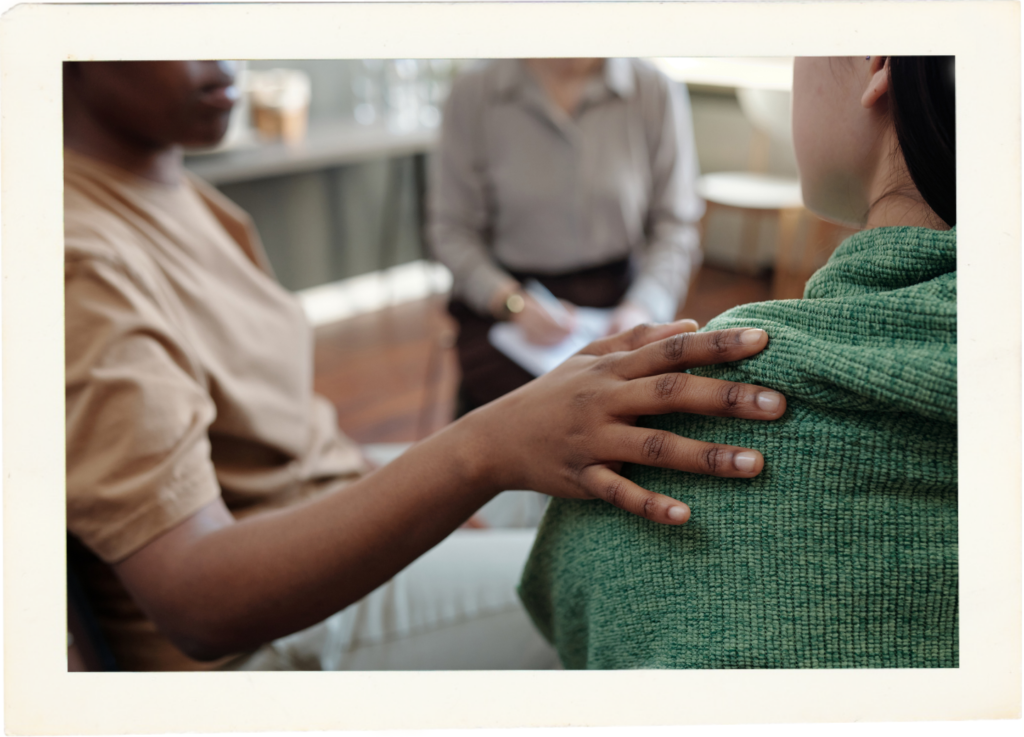
But every night, you check the locks before sleeping. You sit facing exits without thinking about it. Crowded places make your chest tighten. Someone touches your shoulder from behind, and you react before you even know where you are.

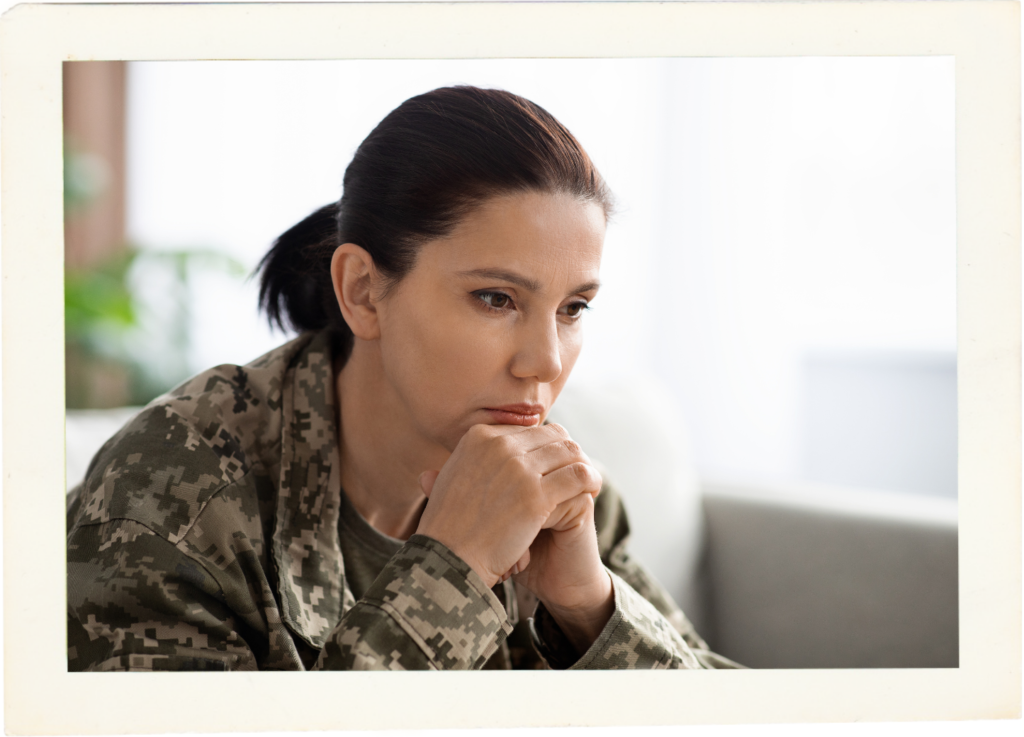
PTSD in veterans

And sometimes, alone in your car, you ask yourself: Why does my body still act like I’m there? 

For many veterans living with PTSD, this is painfully familiar. The war ends externally. But inside, the nervous system may continue operating as though danger never stopped.

What PTSD Actually Does to the Body

PTSD in veterans is often misunderstood as simply being haunted by the past. In reality, trauma restructures how the nervous system responds to the entire world.

For years, survival depended on staying alert, reacting fast, suppressing emotion, and preparing for a threat at every moment. The nervous system learned those lessons deeply—and doesn’t easily unlearn them.

PTSD in veterans

As Dr. Arpita Biswas explains: “Many veterans are not weak or unable to adjust. Their nervous systems learned to survive under prolonged threat. The difficulty is that the body does not always recognize when the danger has ended”.

Clinical research supports this: PTSD keeps the autonomic nervous system in a chronic state of threat perception — even in objectively safe environments.

Hypervigilance: Why the Body Refuses to Stand Down

One of the most common — and exhausting — symptoms of PTSD in veterans is
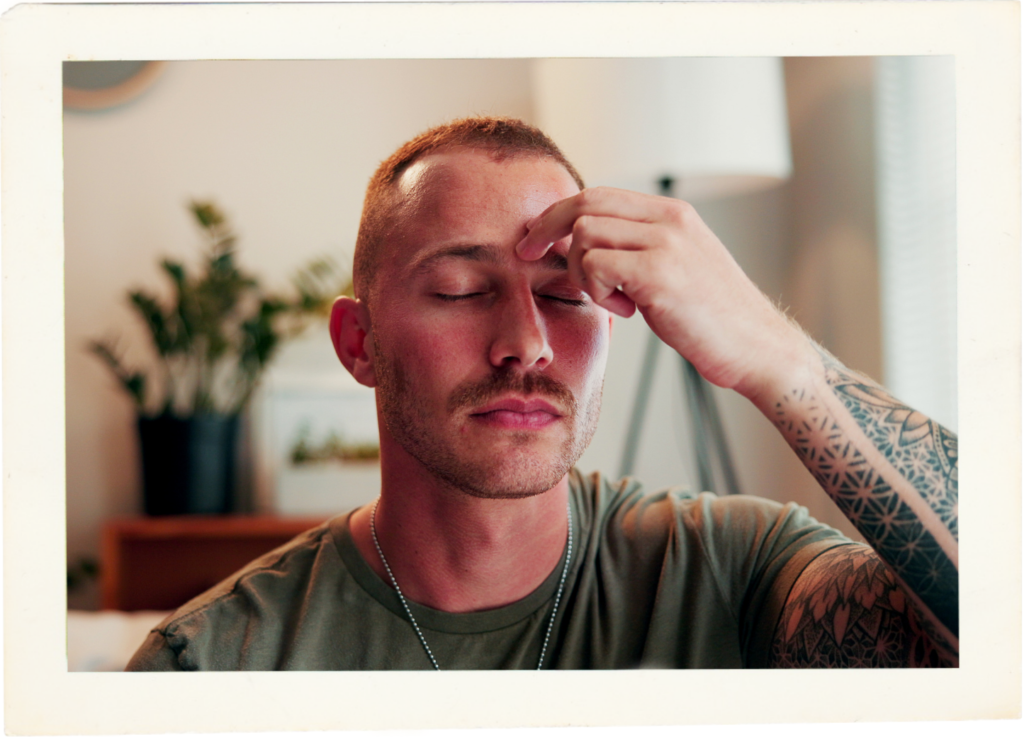
hypervigilance. Sitting with the back against the wall. Memorising exits. Startling easily. Sleeping lightly. Feeling unsafe in crowds.

To others, this can look like paranoia. But research documents a well-established pattern of attentional bias in veterans with PTSD—the nervous system automatically and involuntarily gravitates toward potential threats, even in safe environments. The body isn’t overreacting. It’s doing exactly what it was trained to do.

PTSD in veterans

The cost is cumulative. Chronic hypervigilance affects sleep, concentration, mood, digestion, and long-term physical health. Many veterans say they cannot remember the last time they truly felt calm.

Anger, Numbness and the Shame That Follows

PTSD doesn’t always look like fear. Sometimes it shows up as anger—flaring over noise, small frustrations, or simply feeling out of control. Family members may say: “You get angry so quickly now.”

But this isn’t a character flaw. Research shows that among treatment-seeking veterans with PTSD, as many as 74% experience significant anger difficulties—a rate far higher than in the general population. That reflects the reality of a nervous system pushed far beyond its limits, not a failure of character.

PTSD in veterans

“When someone has lived in survival mode for a long time, the emotional system becomes overloaded,” says Dr. Biswas. “Anger is often the nervous system’s attempt to regain control or create protection.”

What follows is frequently just as painful: guilt, shame, and quiet withdrawal from the people they love most. This cycle—irritability, then shame, then isolation—is one of trauma’s cruelest features.

For others, trauma takes the opposite shape: emotional numbness. Veterans describe knowing they love their family, yet not being able to feel it. This isn’t coldness or detachment. It is the mind protecting itself from emotional overload. But the numbness also dims joy, closeness, and connection—and many veterans grieve, privately, the person they used to be.

PTSD in veterans

Disconnection from Civilian Life

One of the least-discussed aspects of veteran PTSD is how profoundly disorienting civilian life can feel afterward.

According to a major Pew Research Centre survey, about half of  veterans say readjusting to civilian life was difficult—compared to roughly one in five veterans from earlier eras. For those who experienced combat, the figure is even higher. The loss of structure, shared mission, and camaraderie cuts deeper than most people realize.

Research published in the Journal of Veterans Studies found that veterans who experienced identity disruption—that loss of self that comes when military identity no longer fits —
showed significantly higher PTSD symptoms, lower life satisfaction, and greater difficulty reintegrating. This is not a failure to be grateful or move on. It is one of trauma’s quietest and most complex dimensions.

"Many veterans return home physically, but psychologically they may still feel caught between two worlds—unable to fully return to who they were before, yet unsure how to move forward."
scarborough psychologist
Dr. Biswas
Ph.D., C.Psych

Why So Many Veterans Suffer in Silence

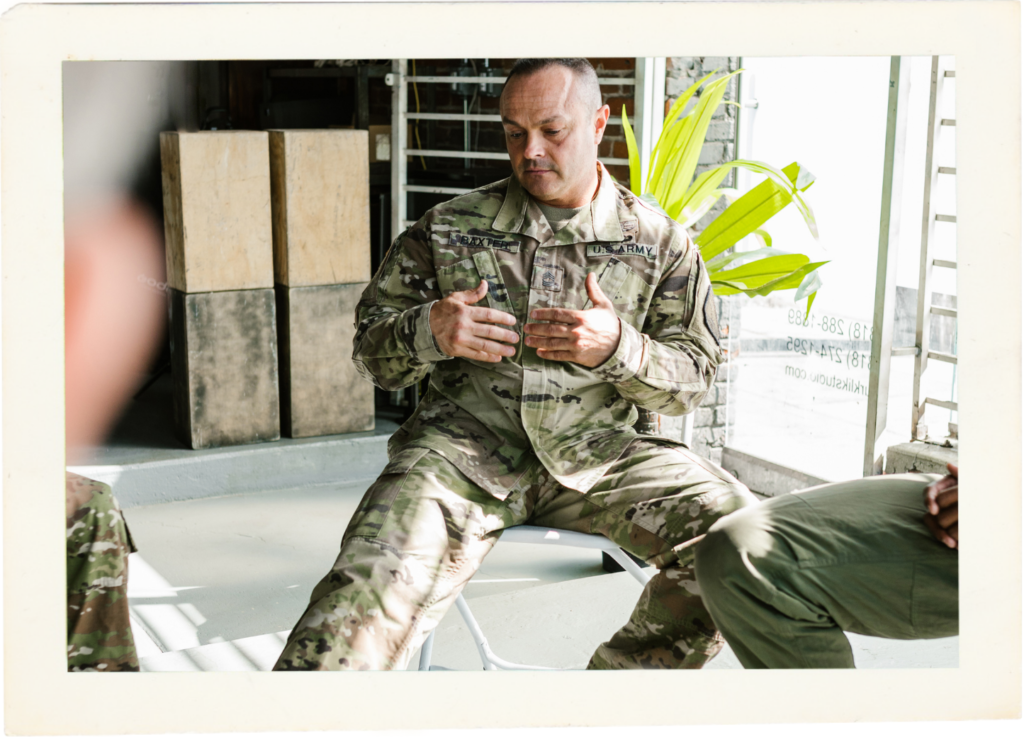
Military culture deeply values endurance and self-reliance. Those same qualities — essential
for survival — can make vulnerability feel dangerous and asking for help feel like surrender.

Many veterans struggle alone for years before reaching out. Some fear being misunderstood. Others have spent so long suppressing emotion that they’ve lost access to it entirely.

One veteran put it simply: Talking about it felt harder than surviving it.

You Don't Have to Stay in Survival Mode

Trauma responses are not signs of weakness. They are signs that a mind and body did what they had to do to survive something most people will never fully understand.

mental support

But survival mode doesn’t have to become a permanent way of living.

If you recognize yourself—or someone you love—in any of this, reaching out isn’t a sign of failure. For many veterans, it turns out to be one of the bravest decisions they ever made.

Healing Trauma with EMDR and Integrated Therapy

One of the most effective evidence-based treatments for PTSD is Eye Movement Desensitization and Reprocessing. EMDR helps the brain and body process traumatic experiences so they feel less overwhelming and no longer carry the same emotional charge. For many veterans, this can mean memories feel less intrusive, the body feels less on alert, and there is more space to breathe, rest, and feel present again.

mental support

At Scarborough Psychology Clinic, all of our clinicians are trained in EMDR and experienced in combining it with other approaches—including cognitive behavioural therapy, mindfulness-based work, and trauma-informed therapy—based on each person’s unique needs and pace. Healing from trauma is rarely one-size-fits-all. For many veterans, this kind of integrated approach can help bring a sense of relief, greater emotional freedom, and the possibility of reconnecting with life beyond survival mode—feeling more grounded in the present and more open to the future.

Healing begins with feeling understood.

At Scarborough Psychology Clinic, we offer compassionate, trauma-informed psychological support for veterans navigating PTSD, hypervigilance, and emotional numbness, anger, anxiety, and the complex process of rebuilding life after service.

Our approach is built on genuine understanding—not judgment and not pressure. Healing begins with feeling understood.

Scarborough Psychology Clinic — Compassionate Care for a Brighter Tomorrow

References

Liberzon, I., & Sripada, C. S. (2008). The functional neuroanatomy of PTSD: A critical review. Progress in Brain Research, 167, 151–169. https://doi.org/10.1016/S0079-6123(07)67011-3

Felmingham, K. L., et al. (2011). Attentional bias to threatening stimuli in post-traumatic
stress disorder. Psychological Medicine, 41(11), 2381–2389. https://doi.org/10.1017/S0033291711000547

Murphy, D., et al. (2018). Anger and aggression in UK treatment-seeking veterans with
PTSD. International Journal of Environmental Research and Public Health, 15(7), 1509.
https://doi.org/10.3390/ijerph15071509

Pew Research Center. (2019). The American veteran experience and the post-9/11
generation. https://www.pewresearch.org/social-trends/2019/09/10/the-american-veteran-
experience-and-the-post-9-11-generation/

Mobbs, M. C., & Bonanno, G. A. (2018). Beyond war and PTSD: The crucial role of transition stress in the lives of military veterans. Clinical Psychology Review, 59, 137–144. https://doi.org/10.1016/j.cpr.2017.11.007

U.S. Department of Veterans Affairs & U.S. Department of Defense. (2023). VA/DoD clinical practice guideline for the management of posttraumatic stress disorder and acute stress disorder (Version 4.0). https://www.healthquality.va.gov/guidelines/MH/ptsd/

Simpson, E., et al. (2025). Clinical and cost-effectiveness of eye movement desensitization
and reprocessing for treatment and prevention of post-traumatic stress disorder in adults: A
systematic review and meta-analysis. British Journal of Psychology, 116, 1128–1149.
https://doi.org/10.1111/bjop.70005